Don’t let Plantarfascitis ruin Summer
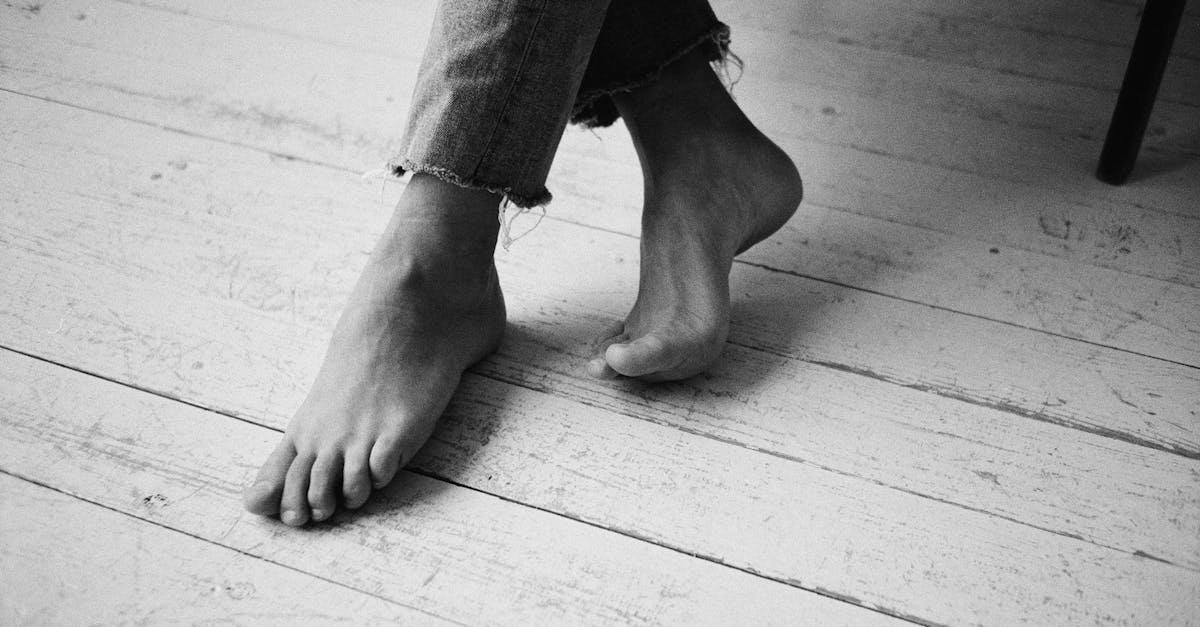
As the weather warms up we tend to swap supportive footwear in favour of flip flops and sandals. Minimal footwear is actually great for our feet, as it allows them to spread, stabilise and adapt to the ground. But if they spent all winter in chunky boots, they might not be ready for the extra work, and if the change is sudden you could develop Plantarfascitis.
The plantar fascia is the thick band of connective tissue that runs along the bottom of our feet. It stores and releases elastic energy, supports the arches and absorbs shock. The soles contain dense networks of sensory nerve endings that translate mechanical pressure into nerve signals so the brain can perceive touch and movement. The receptors in the feet cleverly detect vibration, pressure and skin stretch, allowing the nervous system to fine-tune our balance, posture, and gait (aren’t our bodies amazing?!).
Plantarfascitis develops when the plantar fascia becomes inflamed, which sensitises (and sometimes disrupts) these pathways. This can lead to pain, but can also change how we perceive pressure and movement making us more sensitive to different textures underfoot. It’s often described as feeling like walking on sharp stones. Some of the causes of Plantarfascitis can be managed (overuse, tight muscles, and footwear choices) and others less so (inherited foot shape, ageing, and body weight).
The good news is that ANY movement that prioritises foot strength and dexterity can improve Plantarfascitis symptoms, whatever their cause. Human’s evolved to navigate ground with bare feet so our insulated modern feet, especially our toes, are typically undertrained. Mobilising and strengthening the feet, ankles, and toes can therefore transform your posture and balance, although progress can feel slow. The key is consistent practice, little and often.
Try these foot strengthening exercises
Alternate these one minute drills daily and see how your feet feel after a few weeks
Tennis ball drill
First, roll your foot firmly over a tennis ball a few times to massage it
Then place the ball under the pad of your foot with your heel on the floor
Wrap your toes around the ball
Then lift and spread the toes apart
Try 6-8 slow reps then repeat on the other foot
Kneeling Toe stretch
Come to all fours with your toes tucked under
Slowly sit back, folding your hips towards your feet
You should feel a stretch in the toes or arches - it won’t be comfy
Take it further by bringing hands off the ground and sitting more of your weight into your tucked feet
Standing heel raises
Stand upright with in bare feet or socks (position yourself near a wall or surface and hold on lightly if you’re worried about balancing)
Splay your toes apart then press them into the ground to slowly raise your heels off the floor
Lower the heels with control
Repeat 8-10 slow heel raises
Think of your big toes as strong levers into the ground doing most of the work to lift you up
Know someone struggling with plantarfascitis? Share this - you might change their life!